
Picture this: It’s a Saturday night in October. The St. Louis Cardinals are in the playoffs, and the energy downtown is electric. Your Ballpark Village-adjacent venue is packed to the brim. The kitchen is firing on all cylinders, the bar is four-deep, and your staff is moving in perfect rhythm.
Then, the music stops—metaphorically and literally.
Your Point-of-Sale (POS) system freezes. The guest Wi-Fi crashes, taking your cloud-based ticketing scanners down with it. Suddenly, your staff is handwriting orders, a line is spilling out the door, and frustrated guests are taking their business (and their online reviews) down the street.
For St. Louis event venues, hotels, and restaurants, peak seasons—whether it’s Soulard Mardi Gras, a massive convention at the America’s Center, or the holiday rush—are the ultimate stress test. But it’s not just your staff and inventory being tested; it’s your IT infrastructure.
If you’re waiting for technology to break before you fix it, you’re playing a risky game. Let’s explore how shifting from a reactive approach to a proactive IT strategy can transform your busiest nights from chaotic nightmares into smooth, profitable successes.

The “Sandbag Strategy”: Proactive vs. Reactive IT
In the hospitality industry, we often think of IT support as a fire extinguisher: you only grab it when something is actively burning. This is reactive IT (often called “break-fix”). It means relying on an overworked internal IT manager—or calling an outside vendor—only after the POS goes down or the server crashes.
Proactive IT, on the other hand, is like placing sandbags before the flood hits. It’s the continuous, 24/7 monitoring and maintenance of your network, hardware, and cybersecurity to prevent issues from happening in the first place.
According to industry data, proactive IT approaches resolve issues 40% faster and can cut employee wait times in half. In a hospitality setting, that’s the difference between a minor 90-second hiccup and a 45-minute total system blackout during the dinner rush.
Why Peak Seasons Multiply Your IT Risk
When your venue goes from 50 guests on a Tuesday afternoon to 500 guests on a Saturday night, the physical strain on your building increases. The exact same thing happens to your digital infrastructure.
- The Device Density Problem: Every guest walking through your doors brings at least one smartphone, constantly pinging your network.
- System Overload: Your POS systems, kitchen display screens (KDS), and Property Management Systems (PMS) are processing thousands of micro-transactions and data points an hour.
- Cybersecurity Vulnerability: Cybercriminals know when you are distracted. The 2025 State of Hospitality Cyber Report by Viking Cloud highlights that 66% of hotel IT professionals expect more frequent attacks during high-traffic periods. Hackers use the chaos of peak season to slip phishing emails past distracted staff or launch ransomware attacks when downtime is most costly.
The 5 Pillars of Peak-Season IT Resilience
To survive and thrive during St. Louis’s biggest events, your IT foundation needs to be bulletproof. Here are the five areas where proactive strategy matters most.
1. Network & Wi-Fi Capacity
A robust network is the invisible nervous system of your venue. It’s not just about letting guests check their email; it’s about ensuring your handheld ordering tablets and digital signage actually work. Proactive IT involves mapping and optimizing your Wi-Fi well before the crowd arrives, segmenting guest networks from your critical operational networks to ensure your POS never competes with a guest live-streaming a concert.
2. Point-of-Sale (POS) & Payment Continuity
Your POS is your cash register. If it goes down, revenue halts. Proactive monitoring ensures that your payment systems are constantly updated, patched, and communicating properly with your servers. A strong IT strategy also includes business continuity planning—meaning if the primary internet connection fails, a cellular backup automatically kicks in so you never miss a swipe.
3. Fortified Cybersecurity
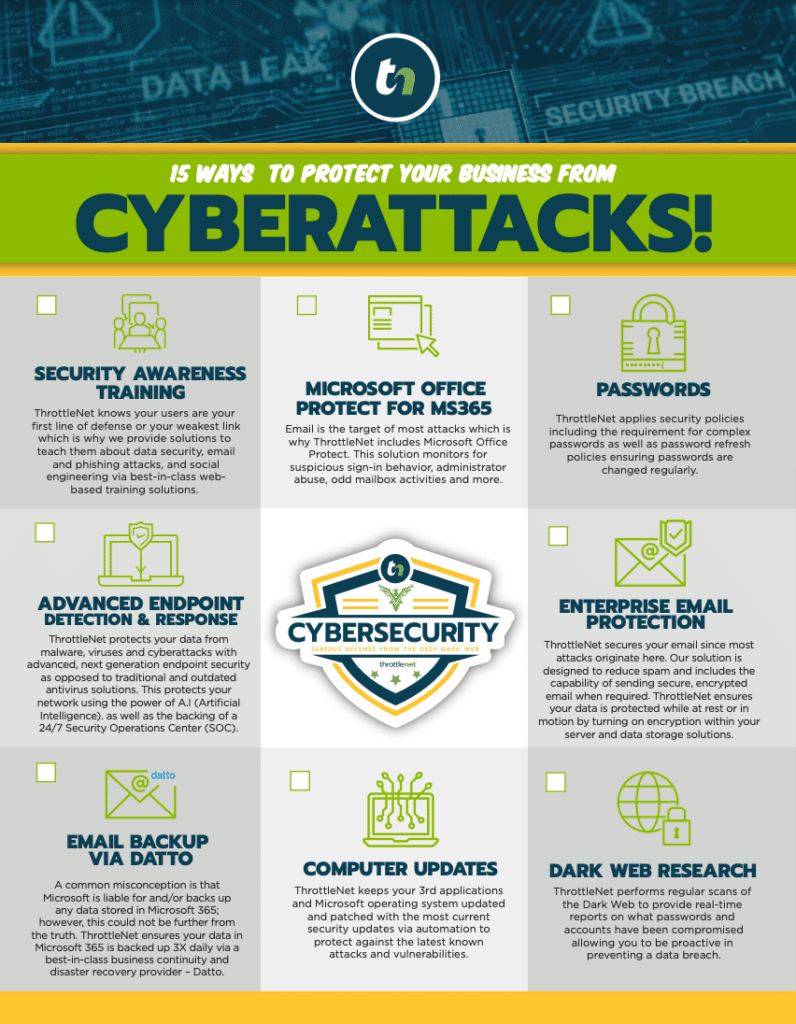
Hospitality businesses are prime targets for cyberattacks because they process high volumes of credit cards and personal data. Reactive security waits for a breach to sound the alarm. Proactive security utilizes 24/7 Security Operations Center (SOC) monitoring, next-generation endpoint protection, and persistent threat hunting to detect and neutralize a ransomware attempt before it ever locks up your reservation system.
4. Physical Hardware Health
Servers overheat. Hard drives fail. Security cameras glitch. Proactive IT doesn’t wait for a piece of hardware to die. Through predictive maintenance and remote monitoring, IT engineers can see if a server’s temperature is running hot or if a hard drive is showing signs of imminent failure, allowing them to replace the hardware on a slow Tuesday morning rather than a busy Friday night.
5. Vendor & Software Integration
Modern venues rely on a tangled web of software: your PMS, your POS, your event management software, and your accounting tools. When these systems stop talking to each other, operations grind to a halt. A proactive IT team manages those third-party vendors for you, ensuring that an update to one software doesn’t accidentally break another.
Misconception Buster: “We’re too small for this.”
One of the biggest myths in the hospitality industry is that proactive, enterprise-level IT is only for massive global hotel chains.
Many independent St. Louis venues rely on a single, internal “IT person” who acts as a jack-of-all-trades. But during a major event, that one person cannot simultaneously reset a router, troubleshoot a POS tablet, and monitor the firewall for intrusion attempts.
This is where Co-Managed IT services shine. By partnering with a Managed Service Provider (MSP), your internal IT manager gets backed up by an entire multi-tiered help desk and specialized teams in cybersecurity, cloud, and network engineering. You don’t have to hire a six-person IT department to get six-person coverage.
Your Peak-Season IT Readiness Checklist
Before the next major St. Louis event fills your calendar, ask yourself these crucial questions:
- Do we know our average IT response time? (If a POS goes down, does it take an hour to get an IT tech on the phone, or are they responding in 90 seconds?)
- Are our backups verified daily? If you were hit by ransomware today, could you restore your system without paying the ransom?
- Is our network segmented? Are your guests browsing on the same Wi-Fi network that your credit card terminals use?
- Do we have a strategic IT roadmap? Are you working with a dedicated Virtual Chief Information Officer (vCIO) to plan your technology budget, or are you just buying new routers when the old ones break?
Frequently Asked Questions (FAQ)
What is the most common IT failure during large events?
Network overload is by far the most common culprit. When hundreds of guests attempt to connect to a poorly optimized Wi-Fi network simultaneously, it causes “network latency.” This doesn’t just frustrate guests; it can severely delay cloud-based POS systems and handheld ordering devices, slowing down your table turnover rates.
How can we protect guest data during high-volume periods?
Start with the basics: Multi-Factor Authentication (MFA) for all staff logins, robust email filtering to catch phishing attempts, and next-generation endpoint security on all venue computers. Most importantly, ensure you have 24/7 network monitoring so that if a threat does breach your perimeter, it is caught instantly.
Is proactive IT monitoring expensive for an independent venue?
It is surprisingly cost-effective, especially when compared to the cost of downtime. Managed IT services typically operate on a predictable, flat monthly fee. When you calculate the lost revenue, comped meals, and reputational damage of a single two-hour POS outage on a Saturday night, proactive IT quickly pays for itself.
How quickly should an IT issue be resolved during service?
In the hospitality industry, every second counts. While many traditional IT providers take hours or even days to resolve a ticket, ThrottleNet uses a multi-tiered support system that immediately routes your issue to the correct expert. You should be aiming for an average response time of under two minutes, with the vast majority of issues resolved the exact same day.
Keep Your Focus on the Guest Experience
You didn’t get into the hospitality industry to manage servers, troubleshoot Wi-Fi dead zones, or negotiate with software vendors. Your focus belongs on the guest experience, the quality of your service, and the growth of your business.
By adopting a proactive IT strategy, you eliminate the friction that causes operational bottlenecks. You transform technology from a source of anxiety into a competitive advantage.
If you’re relying on a break-fix model—or an overworked internal team—it might be time to explore how a specialized St. Louis Managed IT provider can fortify your venue. With access to 24/7 monitoring, dedicated Virtual CIO strategists, and industry-leading response times, you can confidently open your doors to the biggest crowds the city has to offer, knowing your technology won’t let you down.