
Imagine this scenario: It’s 3:00 PM on a Thursday. You have a filing deadline in the Eastern District of Missouri court system by 5:00 PM. You go to upload the final brief, and your network drives seize up. The spinning wheel of death appears.
In most industries, this is an annoyance. In a law firm, this is a crisis.
For attorneys, time isn’t just a resource—it’s the product. When technology fails, it doesn’t just halt operations; it directly erodes revenue and, more importantly, client trust. Yet, many firms in the St. Louis area continue to view IT support as a “break-fix” utility—something you call only when it’s broken—rather than a strategic asset that protects the billable hour.
If you are a partner or practice manager, you likely know the frustration of technical downtime. But you may not be aware of the deeper compliance and security implications lurking beneath that “slow computer.”

The True Cost of IT Neglect: It’s More Than Just Frustration
Research into legal practice efficiency reveals a startling statistic: attorneys can lose 3 to 5 billable hours per week due to slow technology, application glitches, and poor network performance.
Do the math for your firm. If you have 10 attorneys billing at $300 an hour, losing just 3 hours a week per attorney equates to $9,000 in lost weekly revenue. That is nearly half a million dollars annually—vaporized by inefficient IT.
But financial loss is only one side of the coin. The other is risk.
Navigating the Compliance Minefield in Missouri
For St. Louis law firms, IT isn’t just about keeping the printers running; it is about adhering to the highest ethical standards. The intersection of technology and legal ethics is becoming increasingly complex.
1. The ABA and Missouri Supreme Court Rules
Under Missouri Supreme Court Rule 4-1.6 (Confidentiality of Information) and the American Bar Association’s Model Rule 1.6, lawyers have a duty to make “reasonable efforts” to prevent the inadvertent or unauthorized disclosure of, or unauthorized access to, information relating to the representation of a client.
In 2024, “reasonable efforts” means more than a locked filing cabinet. It implies:
- Encrypted Communication: Ensuring emails containing sensitive client data are encrypted in transit and at rest.
- Access Controls: Ensuring that former employees lose access to firm data the second they leave the building (or the remote session).
- Audit Trails: Having the technical ability to see who accessed a file and when.
2. The Threat of “Shadow IT”
When IT support is slow or unresponsive, lawyers find workarounds. They might email a sensitive document to a personal Gmail account to work on it at home, or save files to an unencrypted USB drive. This is called “Shadow IT,” and it is a massive compliance breach waiting to happen.
The Solution: fast, frictionless support. When IT problems are solved in minutes (or seconds), staff members don’t feel the need to bypass security protocols to get their work done.
Cybersecurity: Why Law Firms Are Primary Targets
You might think hackers are only interested in big banks or healthcare systems. The reality is that law firms are prime targets for cybercriminals. Why? Because you hold the “keys to the kingdom.”
Law firms possess intellectual property, merger and acquisition details, and sensitive financial data for multiple clients. A single breach of your firm could compromise dozens of other companies.
The Ransomware Reality
Ransomware attacks—where hackers lock your data and demand payment for the key—are devastating. For a law firm, the damage is twofold:
- Operational Paralysis: You cannot access case files, court calendars, or billing systems.
- Reputational Ruin: You must notify clients that their confidential data has been compromised.
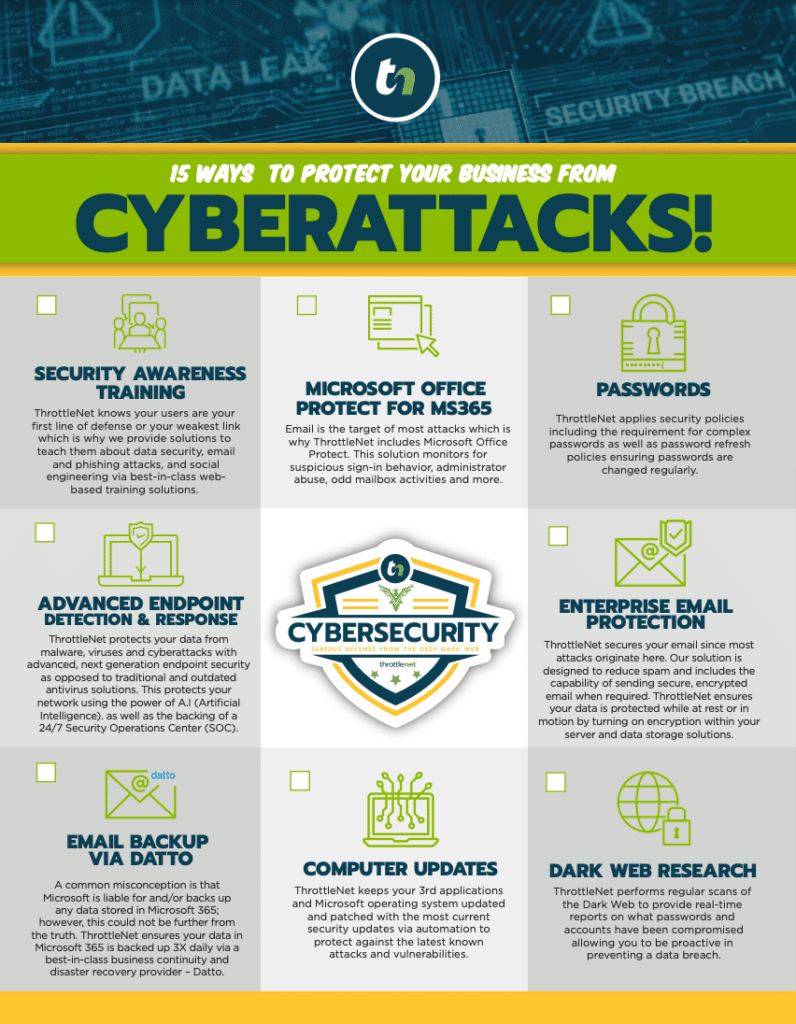
Educational Insight: Modern cybersecurity is no longer about just having antivirus software. It requires a Security Operations Center (SOC) that monitors your network 24/7/365. It requires “hunting” for threats before they deploy malware.
This is why leading Managed Service Providers (MSPs) offer guarantees. For example, some top-tier providers now back their cybersecurity with substantial protection programs (up to $500,000) because they are that confident in their prevention stacks.
Beyond “Generic” Support: The Need for Legal Tech Expertise
A common mistake St. Louis firms make is hiring a “generic” IT provider. These providers may know how to reboot a server, but do they understand the specific urgency of a legal deadline?
Legal-specific IT support means your provider understands the software you use daily, such as:
- Practice Management: Clio, MyCase, PracticePanther.
- Document Management: NetDocuments, Worldox.
- E-Discovery Tools: Relativity, Logikcull.
When your document management system fails, you don’t have time for your IT guy to spend four hours on hold with the software vendor’s support line. You need a partner who acts as a vendor liaison—someone who speaks the technical language to get the issue resolved immediately.
The “Aha” Moment: From Cost Center to Competitive Advantage
The shift in thinking happens when you stop viewing IT as a monthly bill and start viewing it as an insurance policy for your billable hours.
What to Look for in a St. Louis IT Partner
If you are evaluating your current IT situation, use this checklist. A modern, security-focused MSP should provide:
- Speed that Matches Your Pace: Look for response times measured in seconds, not hours. The industry average for response is often over an hour. Top performers average under 15 minutes.
- Same-Day Resolution: It’s not enough to acknowledge the ticket; it needs to be fixed. Look for resolution rates above 75% for same-day tickets.
- Strategic Guidance (vCIO): You shouldn’t have to guess what hardware to buy or how to budget for next year. A Virtual Chief Information Officer (vCIO) should meet with you quarterly to align your tech roadmap with your business goals.
- No Ransomware History: Ask a potential provider: “Have any of your managed clients paid a ransom?” The answer should be an emphatic “No.”
- Flexibility: Be wary of long-term contracts that lock you in regardless of service quality. Providers confident in their service often offer month-to-month agreements.
Frequently Asked Questions
1. Is cloud storage compliant for Missouri law firms?
Generally, yes, provided the cloud provider signs a Business Associate Agreement (if HIPAA applies) and offers robust encryption. However, the configuration of that cloud environment is your responsibility. Simply having Dropbox isn’t enough; it must be secured with Multi-Factor Authentication (MFA) and proper access rights.
2. We have an internal IT person. Do we need an MSP?
Many mid-sized firms (75-200 employees) use a “Co-Managed” model. Your internal IT manager handles daily on-site issues, while the MSP handles the heavy lifting: 24/7 security monitoring, backups, and strategic planning. This prevents burnout for your internal staff and adds a layer of security expertise that a single person cannot provide alone.
3. What is the difference between “IT Support” and “Managed Services”?
“IT Support” is usually reactive—you break it, they fix it. “Managed Services” is proactive. It involves monitoring your network to fix issues before they cause downtime, managing updates, and overseeing your entire security posture for a flat monthly fee.
Taking the Next Step
Ensuring your firm’s technology is secure, compliant, and efficient isn’t just about avoiding disaster—it’s about empowering your attorneys to work without friction.
If you are unsure where your firm stands regarding data security or compliance, the best first step is education. Understanding your vulnerabilities is the only way to close them.
***
For deeper insights into protecting your practice, explore our resources on Managed IT Services and Cybersecurity Solutions tailored for the St. Louis business community.