It’s 9:00 AM on a Monday. Half your team is at their desks in your O’Fallon office, and the other half is logging in from their kitchen tables or home offices.
Then, the inevitable happens. The VPN drops. A critical file on the local server is inaccessible to the remote team. The video conference audio starts to lag, and suddenly, your team isn’t collaborating—they’re troubleshooting.
If this sounds familiar, you aren’t alone. For many businesses in the St. Louis metro area, the shift to hybrid work happened out of necessity, not strategy. We patched together solutions to “keep the lights on,” hoping things would eventually go back to normal. But as the dust settles, it’s clear: Hybrid work isn’t a temporary patch; it’s the new operating system of business.
The challenge now isn’t just allowing remote access; it’s optimizing it. It’s about transforming your IT from a source of frustration into a seamless bridge that connects your people, regardless of their zip code.

The “5 C’s” of Hybrid Success
To understand why your current IT setup might feel clunky, we need to look beyond the hardware. Successful hybrid work models rely on the “5 C’s.” If your technology doesn’t support these, your productivity will suffer.
- Communication: Can your team talk as easily as if they were in the breakroom?
- Coordination: Do projects move forward without “who has the latest version?” confusion?
- Connection: Is the network reliable enough to prevent the dreaded “you’re frozen” screen?
- Creativity: Do your tools allow for spontaneous brainstorming, or just rigid reporting?
- Culture: Does your technology alienate remote workers, or does it make them feel included?
When IT fails in a hybrid model, it usually hits one of these five pillars first. The good news? With the right architecture, you can turn these potential weaknesses into competitive strengths.
The 3 Pillars of a Modern Hybrid Office
Many O’Fallon business owners worry that “modernizing” their IT means an expensive, chaotic overhaul. In reality, it’s about shifting your foundation from a physical location to a digital one. Here are the three pillars you need to build.
1. Secure Access: The “Bouncer” vs. The “Moat”
In the old days, office security was like a castle moat (the VPN). Once you crossed the moat and got inside the network, you were trusted. But in a hybrid world, the castle walls are gone.
Modern IT support utilizes a concept called Zero Trust Architecture. Think of this less like a moat and more like a nightclub bouncer. The bouncer doesn’t just check your ID at the front door; security checks happen at every VIP rope inside the club.
- Why it matters: If a remote employee’s laptop is compromised, Zero Trust ensures the hacker can’t jump from that laptop to your main server. It verifies identity constantly, not just once.
2. Cloud Infrastructure: Your Digital Headquarters
If your team has to “dial in” to a physical server sitting in a closet in O’Fallon to edit a Word document, you are bottlenecking your own speed.
Moving to a centralized cloud infrastructure (like Microsoft 365 or Azure) means your office is wherever your credentials are. It eliminates the lag of traditional VPNs and ensures that the “master copy” of every file lives in one secure, accessible place.
3. Seamless Collaboration Tools
Email is not a collaboration strategy. Modern hybrid teams need digital workspaces—like Microsoft Teams—that integrate chat, video, file sharing, and project management into a single pane of glass. This reduces “app switching” fatigue and keeps all project data in one searchable location.
Debunking Hybrid Myths: The “Aha” Moments
There is a lot of hesitation surrounding hybrid IT, mostly born from outdated information. Let’s clear the air.
Myth #1: “Hybrid work is inherently less secure.”
Reality: It’s actually the opposite—if configured correctly. Traditional offices often rely on a single firewall. A modern hybrid setup uses Endpoint Protection (security software on every single device) and Multi-Factor Authentication (MFA). This creates layers of defense that travel with the device, making your data secure whether it’s accessed from your HQ or a coffee shop on Highway K.
Myth #2: “Proper IT support for hybrid teams is too expensive.”
Reality: Consider the cost of downtime. Research shows that migrating to a properly managed cloud platform can lead to a 70% reduction in IT issues. When you stop paying for downtime and “break-fix” repairs, the budget for proactive, strategic IT usually pays for itself.
Myth #3: “I lose control of company data on remote devices.”
Reality: With Mobile Device Management (MDM) tools, you can compartmentalize company data on employee devices. If an employee leaves or a laptop is stolen, you can remotely wipe only the business data without touching their personal photos or files.
Your Step-by-Step Implementation Blueprint
If you are ready to move from “surviving” to “thriving” in a hybrid model, here is the roadmap.
Step 1: Set the Rules Before the Tools
Don’t buy software yet. First, define your Hybrid Work Policy.
- Who is eligible for remote work?
- What are the expected response times?
- Are employees using personal devices (BYOD) or company-issued hardware?
Step 2: Audit Your Tech Stack
Look at your current tools through the lens of the “5 C’s.” Are you paying for three different video conferencing apps? Is your file server slowing down remote users? Consolidate your tools into a unified ecosystem (like the Microsoft stack) to reduce friction and cost.
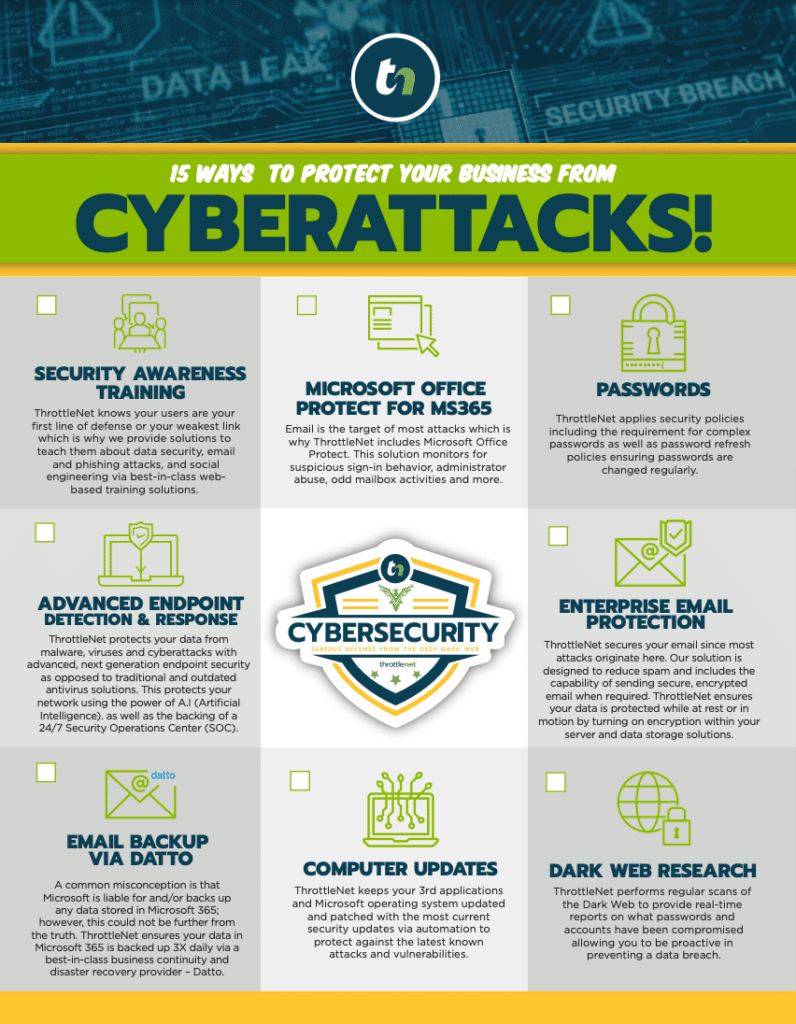
Step 3: Implement “Always-On” Security
Security can no longer be reactive. You need a system that hunts for threats 24/7.
- Next-Gen Endpoint Protection: Antivirus is dead; you need AI-driven tools that detect suspicious behavior, not just known viruses.
- MFA: Turn on Multi-Factor Authentication for everything. It is the single most effective way to prevent unauthorized access.
Step 4: Train Your Human Firewall
The best firewall in the world can’t stop an employee from clicking a convincing phishing link. Regular, bite-sized security awareness training is essential. Teach your team how to spot the difference between a real vendor email and a scam.
The Role of Strategic IT Support
Managing a hybrid environment requires a different skillset than fixing a printer jam. In a distributed workforce, your IT partner acts less like a mechanic and more like a strategic advisor.
When your team is scattered, speed is the currency of productivity. If a remote worker has an issue, they can’t walk down the hall to ask for help. They are dead in the water until IT responds. This is why looking for support metrics—like a 90-second average response time—is critical. You need a partner who resolves issues faster than you can finish your morning coffee.
Furthermore, you need a vCIO (Virtual Chief Information Officer). This isn’t just a tech guy; it’s a business strategist who helps you plan your budget, map out your technology roadmap, and ensure your hybrid setup aligns with your revenue goals.
Frequently Asked Questions
Is a VPN enough for my remote employees?
For modern workflows, usually not. VPNs can be slow and create a single point of failure. While they have their place, most businesses are moving toward secure cloud access and Zero Trust models for better speed and security.
How do I handle “Bring Your Own Device” (BYOD)?
BYOD can save money but introduces risk. You must have a strict BYOD policy and use Mobile Device Management (MDM) software to enforce security standards (like requiring a passcode) and allow for remote data wiping.
Will hybrid work slow down my internet speed at the office?
It can, if everyone is tunneling traffic back to your office server via VPN. Moving to the cloud offloads that traffic, freeing up your office bandwidth for the people actually in the building.
Transitioning to a fully optimized hybrid work model doesn’t happen overnight, but the payoff is immense: happier employees, lower overhead, and a business that can operate securely from anywhere.
The best place to start isn’t by buying new computers—it’s by understanding where you currently stand. Look for an IT partner who is willing to assess your current network, identify your security gaps, and build a roadmap tailored to your specific business needs.
Ready to see how your current setup scores? Start asking the hard questions about your security and speed today, so you don’t have to worry about them tomorrow.