
The “Homeland Security Virus” of 2010: A Retrospective Look
In 2010, cybersecurity was beginning to capture national attention in ways it never had before. One of the most talked-about stories at the time was the so-called Homeland Security virus—a malware scare that made headlines for its potential to target critical systems and expose sensitive information. Local media outlets quickly picked up the story, warning organizations and individuals alike about the rising dangers of computer viruses disguised as official Department of Homeland Security alerts.
During this wave of concern, ThrottleNet’s Chris Montgomery was interviewed by Channel 4 to give his professional perspective on what the Homeland Security virus really was, how it operated, and what businesses could do to protect themselves. That interview, now preserved in the video embedded in this blog post, provides a unique look at how cybersecurity threats were being explained to the public in 2010—and how much the landscape has changed since then.
Setting the Stage: Cybersecurity in 2010
To understand the significance of the Homeland Security virus, it helps to recall what the digital environment looked like at the time:
- Fake antivirus and scareware threats were rampant. Malware often disguised itself as official government or security alerts, tricking users into downloading malicious software or paying fraudulent “fees” to unlock their systems. The Homeland Security virus was a perfect example of this tactic.
- Critical infrastructure was entering the conversation. While Stuxnet was discovered around this time, many security experts were starting to warn that malware could be used for more than stealing data—it could threaten hospitals, utilities, and even national defense systems.
- Business cybersecurity was inconsistent. Many organizations still relied on outdated antivirus software and lacked layered defenses. The Homeland Security virus showed how social engineering could bypass even the most basic safeguards.
- Managed IT services were becoming essential. Businesses were beginning to see the need for external experts—like ThrottleNet—to help monitor, patch, and protect their networks.
The Homeland Security Virus Explained
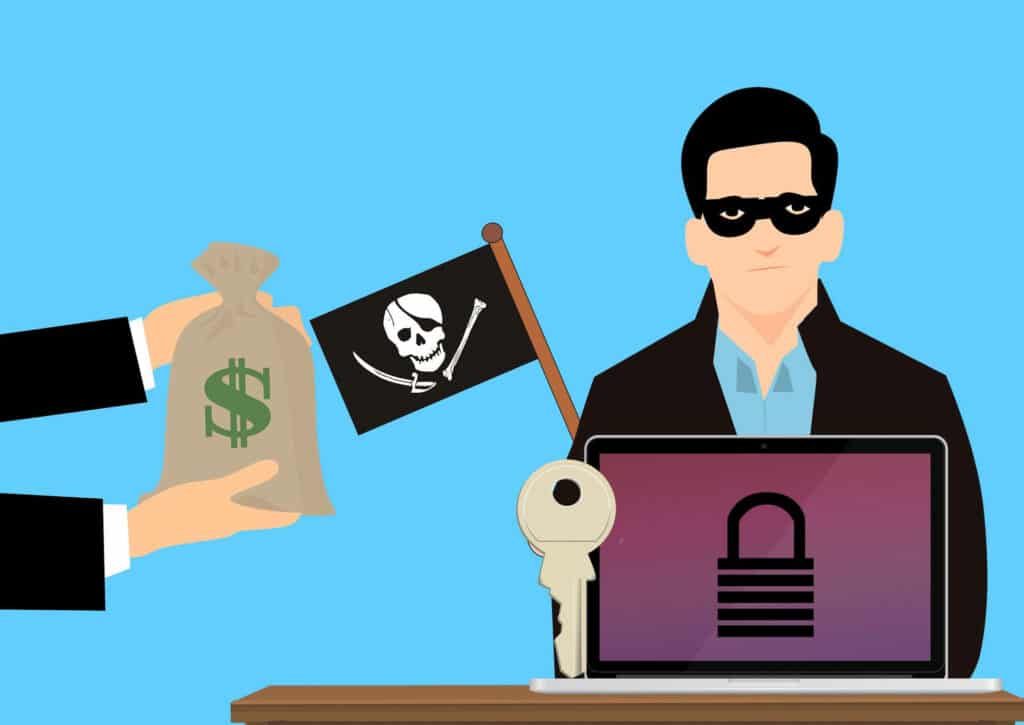
The Homeland Security virus was a form of scareware that pretended to be an official alert from the U.S. Department of Homeland Security. Victims would see alarming pop-up messages claiming their system was infected or that they had violated federal law. To “resolve” the issue, they were prompted to pay a fee or download a supposed security tool—when in reality, this only installed more malware.
The danger of the Homeland Security virus wasn’t just the infection itself, but the fear it generated. Many users, especially in healthcare and government offices, worried that their systems had actually been flagged by Homeland Security. Chris Montgomery’s Channel 4 interview helped demystify the threat by explaining that:
- It was a fraudulent program, not a real DHS notification.
- Paying the ransom or downloading the software only made the problem worse.
- The best protection was layered cybersecurity, employee awareness, and rapid response if infection occurred.
Chris Montgomery on Channel 4: Expert Analysis
When Channel 4 covered the Homeland Security virus, they turned to ThrottleNet for insight. In his interview, Chris Montgomery broke down the threat in plain language for viewers.
Key takeaways from his commentary included:
- Awareness is critical. The Homeland Security virus relied on fear and deception. Training users to recognize suspicious messages was just as important as installing antivirus software.
- Layered defense is a must. Chris explained that firewalls, intrusion detection, and endpoint monitoring were necessary to block and catch threats.
- Preparation beats panic. Having a plan for response and recovery was essential. Businesses needed to know who to call, what steps to take, and how to minimize downtime in case of infection.
- Local impact matters. While the Homeland Security virus was a global threat, Chris emphasized that small and mid-sized businesses in St. Louis and the Midwest were just as vulnerable—and often less prepared.
Then vs. Now: What We’ve Learned
Looking back at the Homeland Security virus highlights just how far cybersecurity has come:
- Then: Malware disguised as government alerts tricked users into paying fake fines.
- Now: Ransomware gangs use sophisticated phishing campaigns and exploit zero-day vulnerabilities to encrypt entire networks.
- Then: Businesses relied on basic antivirus and reactive IT support.
- Now: Managed IT services provide 24/7 monitoring, endpoint detection and response (EDR), advanced backups, and cybersecurity insurance readiness.
- Then: Local media raised awareness through stories like the Homeland Security virus.
- Now: Cybersecurity is daily news, with breaches, ransomware, and national security threats making headlines regularly.
The MSP Role: From 2010 to 2025
The Homeland Security virus story also illustrates how managed service providers (MSPs) like ThrottleNet play a key role in bridging the gap between technical threats and business risk.
In 2010, Chris Montgomery’s appearance on Channel 4 served as a translator—helping business owners understand what was happening and what steps to take. Today, MSPs like ThrottleNet go further by:
- Offering fully managed cybersecurity protection including firewalls, MFA, EDR, and phishing training.
- Guiding businesses through compliance requirements such as HIPAA, PCI, and SOC audits.
- Providing insurance readiness so organizations remain eligible for cyber insurance coverage.
- Delivering rapid response if threats bypass defenses, minimizing downtime and financial impact.
Why the Homeland Security Virus Still Matters Today
At first glance, the Homeland Security virus may seem like a relic of the past—a clumsy piece of scareware compared to today’s ransomware cartels and AI-driven attacks. But its lessons remain relevant:
- Cybersecurity is as much about psychology as technology. Attackers prey on fear, urgency, and trust in authority.
- Employee awareness saves organizations money. Training staff to recognize suspicious prompts or emails is still one of the strongest defenses.
- Small businesses are never too small to be targeted. Just as the Homeland Security virus hit local offices in 2010, ransomware today often cripples SMBs that think they’re “under the radar.”
The story also underscores why having a trusted IT partner matters. ThrottleNet has been warning, preparing, and protecting businesses long before cybersecurity was a household term—and continues that mission today in St. Louis, Kansas City, and beyond.
Closing Thoughts
The Homeland Security virus of 2010 was more than just a nuisance; it was a turning point in public awareness of cybersecurity threats. With its frightening pop-ups and official-looking warnings, it tricked countless users and underscored the dangers of social engineering.
ThrottleNet’s Chris Montgomery helped cut through the fear by explaining the virus on Channel 4, educating the community about prevention and response. That legacy lives on today as ThrottleNet continues to provide proactive, responsive, and award-winning IT security services.
Watch the original Channel 4 interview with Chris Montgomery here:
[Insert Video Embed]
More than a decade later, the Homeland Security virus remains a reminder: threats evolve, but the need for vigilance, awareness, and expert guidance never changes.