
Imagine this scenario: It’s 9:00 AM on a jobsite in Chesterfield. Your project manager is standing with a client, ready to walk through a design change on the third floor. He pulls out his iPad to load the updated blueprints from Procore.
The wheel spins. And spins. And spins.
The connection times out. The client checks their watch. Your PM has to apologize, run down to the trailer, try to download the file on a laptop, and run back up. The moment is lost, and professional confidence takes a subtle hit.
For many St. Louis construction firms, this is a daily reality. You have invested heavily in modern construction technology—BIM modeling, cloud-based project management, and high-end tablets—but you’re trying to run it all on an IT foundation that hasn’t evolved since 2010.
It’s like trying to build a skyscraper on a foundation of loose gravel.
This guide isn’t about selling you software. It’s about helping you understand the invisible infrastructure—Jobsite Connectivity, Data Security, and Device Management—that determines whether your projects run on time or get bogged down in technical quicksand.

The New “Digital Foundation” of Construction
Ten years ago, IT for a construction company meant a server in the back closet of the main office and reliable email. Today, the jobsite is the office.
Data has moved from filing cabinets to the cloud, and communication has moved from radios to Teams and Slack. This shift has created a new set of challenges that most general contractors aren’t prepared for.
If you are a CFO, Owner, or Ops Manager, you need to view your IT network the same way you view your physical equipment: it requires maintenance, strategy, and the right specs for the job.
Challenge 1: The Jobsite Connectivity Puzzle
Why is it that you can get 5G in a crowded stadium, but you can’t get a reliable signal in a job trailer three miles down the road?
Construction sites are hostile environments for Wi-Fi. Steel framing creates Faraday cages that block signals. Dust and vibration wreak havoc on consumer-grade routers. Furthermore, as the building goes up, the site layout changes, creating new dead zones every week.
The Solution: Ruggedized, bonded Connectivity
Stop relying on the ISP’s standard modem or a project manager’s personal hotspot.
- Cellular Bonding: This technology combines connections from multiple carriers (like AT&T and Verizon) into a single, robust pipeline. If one carrier drops, the other picks up the slack instantly.
- Mesh Networks: Instead of one router in the trailer, industrial mesh systems place “nodes” around the site. As your team moves from the basement to the roof, their devices seamlessly switch to the strongest signal without dropping the connection.
The “Aha” Moment: When connectivity is stable, your team stops fighting with technology and starts using it. Field reports are filed in real-time, not batch-uploaded at the end of the day.
Challenge 2: Securing Your Blueprints (and Your Bank Account)
There is a dangerous misconception in the industry: “We just pour concrete and hang drywall. Hackers don’t care about us.”
The reality? Construction is currently one of the most targeted industries for ransomware. Why?
- High Cash Flow: Hackers know you move large sums of money for materials and payroll.
- Cost of Downtime: They know that if they lock your files, you lose thousands of dollars an hour in stalled labor. You are highly likely to pay the ransom just to get the cranes moving again.
- Intellectual Property: Your bid data, proprietary designs, and client schematics are valuable on the black market.
The Solution: The “Zero Trust” Approach
You wouldn’t let a subcontractor walk onto a site without checking their credentials and safety gear. You need to treat your data the same way.
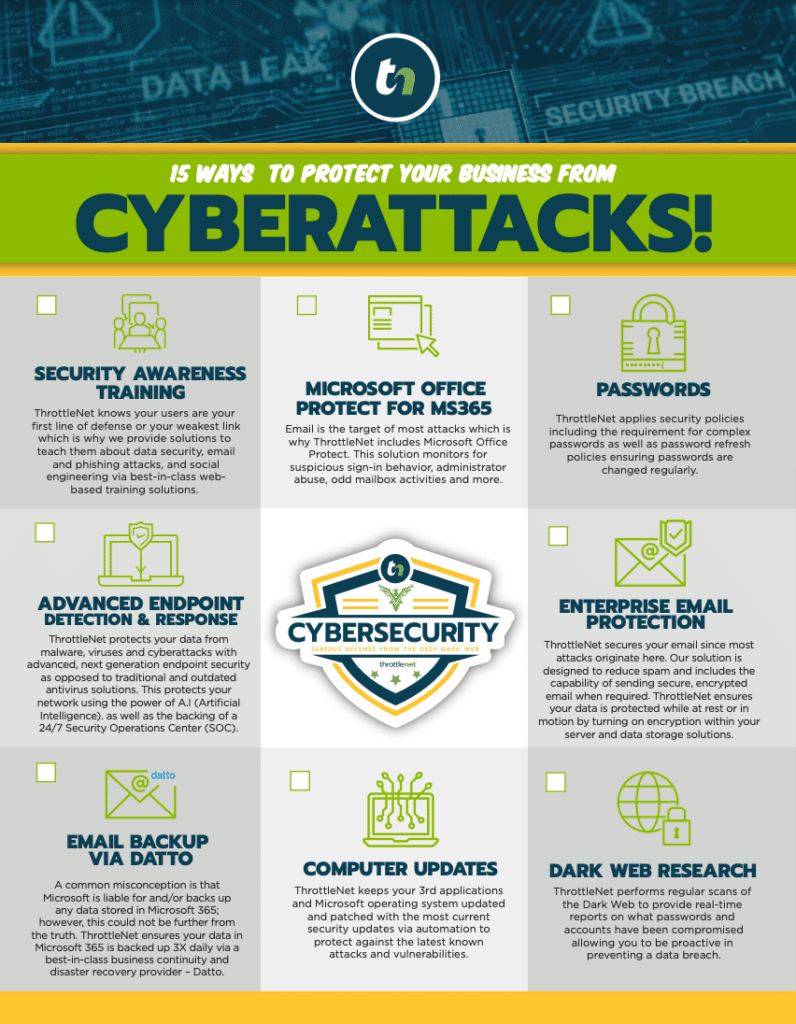
- Endpoint Protection: Old-school antivirus isn’t enough. You need AI-driven tools that monitor behavior. If a laptop suddenly starts encrypting files at 2 AM, the system should isolate that laptop immediately—before it infects the server.
- Backup Verification: It’s not enough to have a backup. You need to know it works. The 3-2-1 rule is standard: 3 copies of data, on 2 different media types, with 1 offsite (cloud).
Challenge 3: Taming the Wild West of Mobile Devices
Walk around your jobsite and count the devices. Personal iPhones, company iPads, ruggedized laptops, maybe even a drone or two.
If a foreman leaves a company iPad on the tailgate of a truck and it drives off, what happens? If that iPad has access to your entire client database and email server, you have a breach.
The Solution: Mobile Device Management (MDM)
MDM is like a master remote control for your company’s hardware. It allows you to create a secure “container” on devices.
- Remote Wipe: If a device is lost or stolen, IT can wipe the corporate data instantly without deleting the employee’s personal photos.
- Auto-Updates: Ensure every iPad has the latest version of Procore and the latest security patches without the user having to do a thing.
Why “Break-Fix” IT Doesn’t Work for Construction
Many St. Louis firms still rely on the “Break-Fix” model: something breaks, you call a guy, he shows up the next day (maybe), and charges you an hourly rate to fix it.
In construction, time is the most expensive commodity.
If your server goes down on payroll day, or your internet cuts out during a bid submission, waiting 24 hours for a technician is unacceptable. This is why many firms are moving to a Managed Services model.
Think of Managed IT like a preventative maintenance contract for your fleet. Instead of waiting for the engine to blow, a team is monitoring the oil pressure 24/7.
- Speed Matters: Top-tier providers in St. Louis should average same day response time. That means when a PM has an issue, they are talking to a human expert right away.
- Strategic Planning: You don’t just need a “fixer”; you need a Virtual CIO (vCIO). Someone who sits down with you quarterly to say, “You’re opening three new sites next year; here is the budget and infrastructure we need to get those trailers online immediately.”
The St. Louis Construction IT Checklist
How does your firm stack up? Use this checklist to identify gaps in your digital foundation.
- Connectivity: Do we have a redundancy plan if the main internet line at the office or jobsite creates a bottleneck?
- Response Time: When we call for support, do we get a solution in minutes, or do we wait hours?
- Disaster Recovery: If our server was held for ransom today, could we be back up and running within 4 hours?
- Asset Management: Do we have a real-time inventory of every laptop and tablet in the field?
- Employee Training: Does our field staff know how to spot a phishing email disguised as a vendor invoice?
Frequently Asked Questions
Why is construction software so slow on our job sites?
It is rarely the software’s fault. The issue is usually “latency”—the time it takes for data to travel from your trailer to the cloud and back. Standard mobile hotspots often have high latency. Commercial-grade cellular bonding or fixed wireless solutions can solve this.
Is the cloud really safe for sensitive project data?
Generally, the cloud is safer than a server in your office closet—if it is configured correctly. Major providers like Microsoft (Azure) and Amazon (AWS) spend billions on security. The weak link is usually how you access it. Implementing Multi-Factor Authentication (MFA) is the single most effective step you can take to secure cloud data.
We are a small firm. Do we really need “Managed IT”?
If you have more than 10 employees, likely yes. The cost of one major cyberattack or one week of downtime often exceeds the annual cost of managed services. Managed IT provides a predictable monthly cost, whereas “break-fix” leads to unpredictable, expensive emergencies.
How do we support remote workers in St. Louis?
With the geography of the St. Louis metro area, your team might be in St. Charles one day and Belleville the next. A VPN (Virtual Private Network) allows them to access the main office network securely from anywhere, while a VoIP phone system lets them take office calls on their cell phones without giving out their personal numbers.
Building for the Future
Technology in construction is no longer just a “nice to have”—it is the competitive advantage that allows you to bid more accurately, build faster, and protect your margins.
Don’t let a $50 router or a missed security patch be the reason a multi-million dollar project stalls. By treating your IT infrastructure with the same seriousness as your heavy equipment, you build a business that is resilient, efficient, and ready for growth.