
Imagine walking into an urgent care clinic with a severe, potentially life-threatening injury, only to be handed a clipboard and told, “Take a seat. A doctor will review your chart in about five to twelve hours.”
In the medical world, that scenario is unimaginable. Triage nurses immediately assess severity, and critical cases are rushed to specialists. Yet, in the business world, this is exactly how most companies handle their digital emergencies.
When a Florissant business experiences a critical network failure, a ransomware attack, or a complete server collapse, the standard IT industry response time sits somewhere between 1 and 12 hours. While you wait, operations halt, employees sit idle, and revenue bleeds.
If we wouldn’t accept a 12-hour wait for an out-of-network hospital emergency, why do we accept it when our business’s survival is on the line?
This guide bridges the gap between medical emergencies and digital emergencies. We will explore the true cost of downtime, demystify what a proper 90-second IT response looks like, and help you build a preventative care plan to keep your network healthy, secure, and resilient.
Anatomy of an IT Emergency: What Constitutes a “Digital 911”?
Not every technology hiccup is a crisis. A broken printer is the digital equivalent of a sprained ankle—frustrating, but a quick trip to the clinic (or a standard IT help desk ticket) will resolve it. But some events are true digital emergencies that require immediate, specialized intervention.
Here are the “Big Three” IT emergencies that require rapid triage:
1. Ransomware & Cyberattacks (The Trauma Case)
Ransomware is a malicious software that rapidly locks you out of your own data, demanding a financial ransom to return access. With global cybercrime damages projected to reach $10.5 trillion annually, these attacks move with terrifying speed. Once ransomware enters a network, it can infect connected servers, cloud backups, and employee workstations in minutes. Waiting hours for an IT response doesn’t just delay the fix; it allows the infection to spread to terminal levels.
2. Critical Hardware Failures (The Vital Organ Failure)
When a core server or primary network switch fails, the heart of your business stops pumping. Whether you run a Florissant-based manufacturing plant or a busy dental clinic, hardware failures mean your team loses access to the specialized applications, patient records, or operational data they need to do their jobs.
3. Legacy System Collapses (The Chronic Illness Crisis)
Aging infrastructure might seem fine on the surface, but running outdated operating systems or unpatched software is like ignoring high blood pressure. Eventually, the system gives out. When legacy systems finally collapse under the weight of modern software demands, recovering the specialized data trapped inside becomes a time-critical rescue mission.
The “Out-of-Network” Danger: Why Searching for Urgent Care After a Crash Costs You
One of the most dangerous positions a business can find itself in is searching for “emergency IT support near me” after the network has already gone down.
In healthcare, seeking emergency care when you are out-of-network results in exorbitant bills and administrative nightmares. The IT world is no different. If you rely on a reactive, “break-fix” IT provider—someone you only call when things break—you are essentially walking into an out-of-network emergency room.
You don’t have an established baseline. The responding technician doesn’t know your network architecture, your compliance requirements, or your data backup protocols. They must spend precious hours diagnosing the environment before they can even begin to treat the problem. This “discovery phase” extends your downtime dramatically, turning a manageable incident into a catastrophic business interruption.
The Mathematics of Response Times: 90 Seconds vs. The 12-Hour Industry Average
To truly understand why response times matter, we have to look at the math. Customer service data platforms like SuperOffice note that average B2B support response times hover around 12 hours.
Compare that to a world-class standard: a 90-second average response time.
Why does the difference between 90 seconds and 12 hours matter? Because of the Downtime Calculator. You can calculate the financial burn rate of an IT emergency using this simple formula:
[Number of Employees] × [Average Hourly Wage] × [Hours of IT Downtime] = Cash Burned
If your Florissant logistics company has 40 employees earning an average of $30 an hour, every single hour your system is down costs you $1,200 in pure payroll waste—not including lost sales, reputational damage, or the eventual cost to fix the IT issue itself. A 12-hour wait for an IT response just burned $14,400.
At 90 seconds on average, the IT triage begins before the financial bleeding can even start.
How a 90-Second IT Triage System Actually Works
How is it physically possible to respond to IT emergencies in under two minutes? The secret lies in abandoning the traditional “generalist” IT model and adopting a multi-tiered help desk structure that mirrors a hospital’s triage system.
When you partner with a high-performing Managed Service Provider (MSP) like ThrottleNet—which consistently achieves a 93% same-day resolution rate—you aren’t just getting an “IT guy.” You are getting an entire medical staff for your network.
The Paramedics: 24/7 RMM and SOC Monitoring
Before you even realize you have an emergency, the paramedics are on the scene. Remote Monitoring and Management (RMM) software and a 24/7 Security Operations Center (SOC) act as an early warning system. They monitor your network’s vital signs around the clock. If a server starts overheating or an unauthorized login is attempted at 2:00 AM, the SOC detects it and neutralizes it instantly.
The Triage Nurses: Tier 1 Fast Response
If an employee encounters an issue and submits a ticket, they are immediately connected to Tier 1 Support Engineers. These specialists act as triage nurses. Within 90 seconds, they assess the severity of the issue, provide rapid fixes for common ailments, and route complex problems to the right department. There are no “Level 1 bottlenecks” here.
The Specialists: Tier 2 and Tier 3 Engineers
If the issue is deep-rooted, it is instantly escalated to Tier 2 and Tier 3 Support Engineers. These are the surgeons. Because they aren’t bogged down resetting passwords (which Tier 1 handles), they have the dedicated bandwidth to perform advanced infrastructure troubleshooting, network optimization, and complex server remediation.
The Chief of Medicine: The Dedicated vCIO
Treatment shouldn’t stop when the emergency is over. A vCIO (Virtual Chief Information Officer) is a dedicated IT strategist who understands both technology and business growth. They review the incident, look at your long-term health, and help you budget for technology that ensures the emergency never happens again.
Moving from Reactive to Preventative Care
The ultimate goal of any business shouldn’t be surviving an IT emergency; it should be preventing it entirely. This is the core difference between Disaster Recovery and Business Continuity. Disaster Recovery is how you clean up after the storm. Business Continuity is building a shelter so strong the storm never touches you.
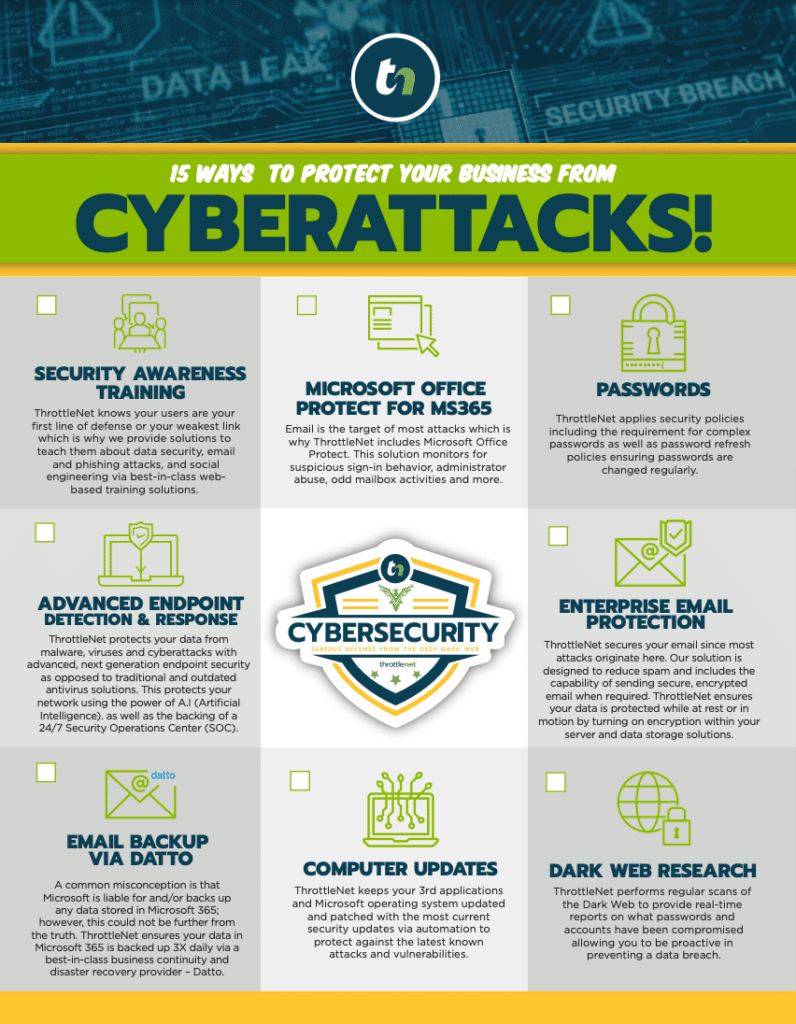
Top-tier Managed IT Services embed cybersecurity into the foundation of your operations. Instead of waiting for a ransomware attack, preventative care means deploying next-generation endpoint security, persistent threat monitoring, and backup verification.
When your network is proactively managed, properly mapped, and protected by dedicated teams—often backed by substantial guarantees, like a $500,000 cybersecurity protection program—you can finally stop worrying about technology and get back to growing your business.
Beginner FAQs: Understanding IT Response and Business Continuity
What is an SLA in IT support? SLA stands for Service Level Agreement. It is a contracted promise between you and your IT provider regarding how quickly they will respond to your issues and resolve them. Always look for SLAs that guarantee fast response times, rather than “best effort” promises.
What is the difference between a Help Desk and a SOC? A Help Desk handles day-to-day operational issues—like setting up new employee emails, fixing printer connections, or troubleshooting software glitches. A SOC (Security Operations Center) specifically monitors your network for cyber threats 24/7, hunting down hackers, malware, and data breaches.
What does it mean to have “Co-Managed IT”? If your business already has an internal IT manager, Co-Managed IT acts as their specialized support staff. Instead of replacing your IT person, a co-managed provider gives them access to a full 24/7 help desk, a dedicated vCIO, and enterprise-level cybersecurity tools, preventing burnout and filling skill gaps.
What is RTO in disaster recovery? RTO stands for Recovery Time Objective. It is the maximum acceptable amount of time your business can afford to be offline after a disaster before it causes severe financial damage. For modern businesses, the RTO should be measured in hours or minutes, not days.
Next Steps: Building Your Digital Continuity Plan
You don’t have to wait for a digital emergency to find out how resilient your business is. The best time to establish your IT triage process is right now, while the network is healthy.
Start by evaluating your current IT response times. Are you waiting hours for critical support? Do you know exactly who to call if your main server fails today?
By understanding the mechanics of a 90-second response and treating your IT infrastructure with the same urgency as a medical facility treats patient health, you can ensure that your business remains secure, compliant, and continuously operational, no matter what digital challenges come your way.