
Picture this: It’s Tuesday morning. One of your top project managers is finalizing a critical client proposal from their living room in O’Fallon. Another team member is answering customer emails over a latte at a coffee shop on Main Street in St. Charles.
Hybrid work has become a permanent fixture for businesses across the St. Louis region. It offers incredible flexibility, helps you retain top talent, and keeps operations moving. But let’s look at this scenario through the eyes of an IT professional: Your company’s most sensitive data is no longer safely locked behind the fortress walls of your corporate office. It is now floating across residential routers, public Wi-Fi networks, and personal smartphones.
If you’re a business owner, CFO, or operations leader, this shift creates a massive operational challenge. Sending a corporate laptop to a home network is a bit like parking an armored car in an unlocked garage—the vehicle itself might be tough, but the environment around it is completely unsecure. We call this the Home Network Blindspot.
Most global software vendors will tell you that the solution is to buy their specific security application. But securing a distributed workforce isn’t about buying a single piece of software; it’s about building a strategy.
Let’s break down exactly how small and mid-sized businesses in St. Charles are effectively securing their remote teams without needing a massive internal IT department.
The 80/20 Rule of Remote Security
When researching cybersecurity, it’s easy to get overwhelmed by complex government frameworks and enterprise-level jargon. However, cybersecurity experts often refer to the “80/20 Rule” of remote security: 20% of the right security measures prevent 80% of potential breaches.
To make this actionable, we organize these measures into a simple, three-pillar framework.
The 3-Pillar Remote Security Framework for Distributed Teams
Pillar 1: Securing the Device (Endpoints)
In the past, installing basic Antivirus software was enough. Traditional Antivirus worked like a bouncer with a printed VIP list—if a virus wasn’t on the list, it was let inside. Today, cyber threats evolve by the minute, and traditional Antivirus is essentially dead.
When your employees are working remotely, their devices (laptops, desktops, tablets) are the “endpoints” of your network. These endpoints need modern protection.
- The Jargon Translator: EDR (Endpoint Detection and Response) Instead of a bouncer with a list, EDR is like an intelligent security camera system with a dedicated guard. It doesn’t just look for known bad files; it watches how programs behave. If Microsoft Word suddenly tries to delete your backup files—a common sign of ransomware—EDR immediately freezes the program and alerts a security team, even if the employee is working from their kitchen table.
Pillar 2: Securing the Connection (Access)
For years, the standard advice for remote work was “just use a VPN” (Virtual Private Network). A VPN creates a secure tunnel back to your office server. However, if your business has migrated to cloud services like Microsoft 365 or Google Workspace, a legacy VPN can actually slow your team down and create new security gaps.
Modern remote security relies on Zero Trust Architecture.
- The Jargon Translator: Zero Trust In traditional office networks, once you plugged your computer into the wall, the network trusted you. Zero Trust operates on a different motto: “Trust no one, verify everyone.” Every time an employee tries to access company data, the system double-checks: Are they who they say they are? (MFA) and Is their device safe?
By ensuring secure cloud access rather than relying solely on outdated VPNs, your team can collaborate seamlessly without exposing your entire network to a compromised home Wi-Fi connection.
Pillar 3: Securing the Human (Training)
You can have the most expensive cybersecurity tools in the world, but if an employee clicks a malicious link in an email disguised to look like it’s from your CEO, the hackers win.
Your people are your final firewall. Remote workers are particularly vulnerable to Business Email Compromise (BEC) and phishing because they can’t simply lean over a cubicle wall to ask a coworker, “Did you really just send me this invoice?”
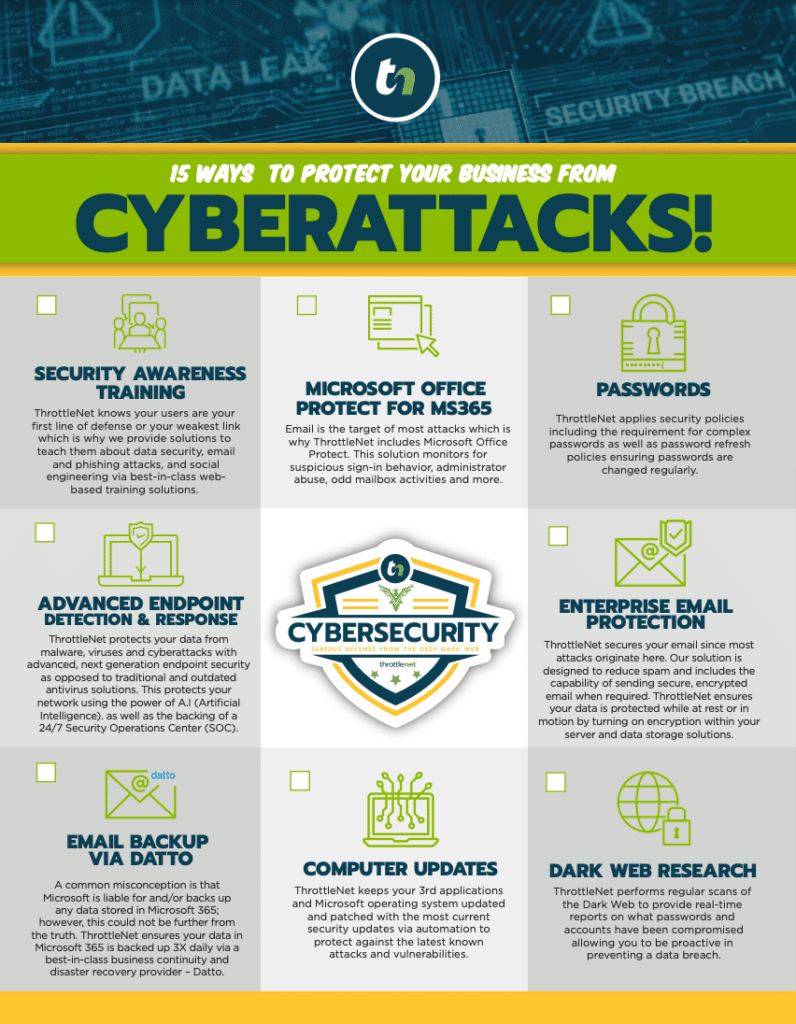
Effective remote security requires continuous, engaging end-user training. Employees need to learn how to spot social engineering tactics and practice strong password hygiene. When your team knows what to look for, they transform from your biggest vulnerability into your strongest layer of defense.
Navigating the BYOD (Bring Your Own Device) Dilemma
One of the most common questions from local operations managers is: “How do we enforce security if our employees use their personal phones or home computers for work?”
This is the BYOD dilemma. You need to protect company data, but you cannot—and should not—invade your employees’ personal privacy.
The solution is data isolation, often achieved through Mobile Device Management (MDM). MDM software allows you to create a secure, encrypted “container” on a personal device. Your company fully controls the corporate apps and email inside that container, but has zero access to the employee’s personal photos, texts, or browsing history. If an employee leaves the company, IT can remotely wipe the corporate container without touching their personal data.
Establishing a Remote Work Security Policy
Technology alone cannot solve behavioral problems. Every business with a hybrid or distributed workforce needs a documented Remote Work Security Policy that employees review and sign.
A strong policy should cover:
- Onboarding & Offboarding: Clear checklists for how devices are provisioned for new hires and how access is revoked the moment an employee leaves.
- Acceptable Use: Plain-English rules stating that family members cannot use company-issued laptops for homework or personal browsing.
- Incident Reporting: A clear, blame-free process for what an employee should do if they accidentally click a suspicious link. (Hint: Making them afraid to report it guarantees the problem will get worse).
The Local MSP Advantage: Why St. Charles Businesses Need a Partner, Not Just Software
If you search online for “remote workforce security,” you will be bombarded by global software vendors pushing their proprietary apps. But here is the operational reality for a St. Charles business: Buying software doesn’t give you a strategy, and it certainly doesn’t give you support when things break.
If a remote worker gets locked out of their system or experiences a security threat, submitting a support ticket to a faceless national software vendor means days of lost productivity.
This is where a local Managed IT Services Provider (MSP) like ThrottleNet changes the game. Securing a remote workforce requires tying the devices, the access, and the human elements together with a support system built for speed and accuracy.
When St. Louis and St. Charles businesses partner with ThrottleNet, they gain access to a unique multi-tiered help desk staffed by specialists—not generalists. This means:
- Problems Are Solved Faster: ThrottleNet boasts an industry-leading 90-second average response time and a 93% same-day resolution rate. When a remote employee has an issue, they aren’t waiting on hold; they get immediate help, ensuring productivity never stalls.
- Enterprise-Grade Protection: Remote teams are backed by a 24/7 Security Operations Center (SOC) and proactive network monitoring. ThrottleNet is so confident in this multi-layered approach that it is backed by an exclusive $500,000 Cybersecurity Protection Program.
- Strategic Growth: Rather than just acting as a “break-fix” service, every client is paired with a dedicated Virtual Chief Information Officer (vCIO) to build long-term technology roadmaps and ensure remote IT strategies align with business growth.
Frequently Asked Questions (FAQ)
What are the biggest cybersecurity risks of remote work? The primary risks include unsecured home Wi-Fi networks, employees sharing work devices with family members, delayed software updates (patching), and an increase in targeted phishing attacks aimed at isolated workers.
Is a VPN enough for remote workers? No. While a VPN encrypts traffic between the employee and the corporate server, it does not protect the device itself from malware, nor does it secure data stored in cloud applications like Microsoft 365. Modern security requires Endpoint Detection and Response (EDR) and Multi-Factor Authentication (MFA) alongside secure access protocols.
How do we train remote employees to spot phishing? Training should be ongoing, not just a once-a-year seminar. A managed IT partner can deploy simulated phishing emails to your team periodically. If an employee clicks the safe, simulated link, they are immediately guided to a brief, educational video explaining what red flags they missed.
What happens if a remote employee’s laptop is stolen? If the device is properly managed, your IT partner can remotely lock the endpoint, track its location, and wipe the hard drive completely, ensuring that your sensitive business data never falls into the wrong hands.
Next Steps for Securing Your Distributed Team
Transitioning to a secure, highly productive hybrid work environment doesn’t have to be overwhelming. It starts with understanding exactly where your vulnerabilities lie today.
You don’t need to navigate the complexities of Zero Trust, endpoint security, and compliance on your own. As a #1 IT Firm in St. Louis for over 11 consecutive years, ThrottleNet helps local businesses turn technology frustrations into seamless, secure operations.
Ready to see how your current remote setup measures up? Start by requesting a Free On-Site Assessment and Security Report. Our local experts will evaluate your risk exposure, system health, and IT processes, giving you a clear, jargon-free roadmap to secure your distributed workforce from day one.